12 Popular Types of Gyms (And How to Choose the Right One for You)
Thinking about opening a gym or fitness studio? That’s exciting! The health and wellness industry is growing fast, and there’s never been a better time to jump in. But with so many different types of gyms out there, how do you know which one is the right fit for your vision?
In this guide, we’ll walk you through 12 popular types of gyms and fitness studios. Whether you’re dreaming of opening a boutique yoga space or a big-box training center, you’ll get a clearer picture of your options. We’ll also share helpful tips for getting started—including why having a good studio booking app is essential for success.
1. Traditional Commercial Gyms
These are your classic gyms, like LA Fitness or 24 Hour Fitness. They offer a little bit of everything: cardio machines, weightlifting areas, group fitness classes, locker rooms, and sometimes even pools or saunas. Members typically pay a monthly or annual fee for access.
Best for: Entrepreneurs who want to serve a wide range of clients and can manage large-scale operations.
Extra tip: With many people using apps to manage their workouts and schedules, integrating a reliable studio booking app can make class signups and personal training sessions easier for both members and staff.
2. Boutique Fitness Studios
Boutique studios are smaller, specialized fitness spaces. Think of yoga studios, cycling studios (like SoulCycle), or barre studios. These gyms focus on creating a unique, community-driven experience and often charge higher rates per class or via class packs.
Best for: People who are passionate about one type of fitness and want to create a more personal experience.

3. CrossFit Boxes
CrossFit is more than just a workout—it’s a culture. These functional fitness gyms (often called “boxes”) offer high-intensity group workouts that blend weightlifting, cardio, and bodyweight movements. Most CrossFit gyms are affiliated with CrossFit HQ but independently owned.
Best for: Trainers with CrossFit certifications and a passion for coaching in a community-based setting.
4. Powerlifting and Bodybuilding Gyms
These gyms cater to serious strength athletes. They’re equipped with squat racks, deadlift platforms, heavy dumbbells, and specialized equipment like safety squat bars or monolifts. Unlike commercial gyms, they usually focus less on aesthetics and more on performance.
Best for: Lifters who want to build a community of like-minded individuals and are familiar with powerlifting or bodybuilding culture.
Extra content: Consider hosting lifting competitions or workshops to build buzz. You can manage registration through your studio booking app to streamline event planning.
5. Functional Training Gyms
Functional fitness focuses on exercises that help people move better in daily life—think kettlebell swings, sled pushes, and mobility work. These gyms might include equipment like battle ropes, resistance bands, plyometric boxes, and sandbags.
Best for: Trainers who enjoy teaching real-world strength and mobility in a dynamic, hands-on environment.
6. Personal Training Studios
Rather than a big open gym floor, these studios are more private. They’re designed for one-on-one or small group training. This can be an ideal setup if you want to work closely with clients and focus on personalized results.
Best for: Certified personal trainers who want a quiet, client-focused space without the distractions of a larger gym.
Pro move: Add a wellness component like nutrition coaching or massage therapy to diversify your services.
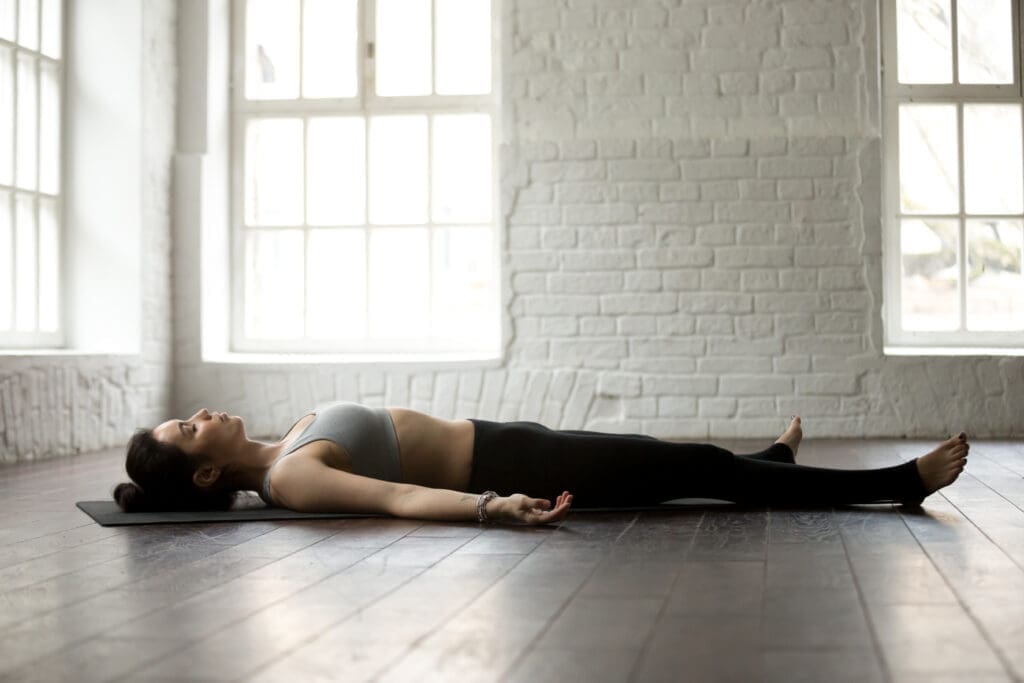
7. Yoga Studios
Yoga studios come in all shapes and sizes—from hot yoga rooms to peaceful Zen-inspired sanctuaries. Most offer different types of classes, such as Vinyasa, Hatha, Yin, or even aerial yoga.
Best for: Yoga instructors who want to share their practice in a welcoming, peaceful environment.
Insight: Many yogis prefer booking in advance, so make sure your studio booking app allows users to browse classes, reserve spots, and cancel if needed—all with a few taps.
8. Pilates Studios
Pilates focuses on controlled movements, often using special equipment like Reformers, chairs, and barrels. It’s great for core strength, flexibility, and rehab. Studios might offer private sessions, small group classes, or both.
Best for: Instructors with Pilates certifications who want to work in a lower-impact, high-precision modality.
Pro tip: These studios can charge premium rates, especially for private Reformer sessions. Highlight your experience and results to stand out.
9. Martial Arts and Boxing Gyms
From Brazilian Jiu-Jitsu to Muay Thai to traditional Karate, martial arts gyms attract people looking to learn self-defense, gain confidence, and stay fit. Boxing and kickboxing gyms also fall under this category.
Best for: Skilled martial artists or combat sports coaches who want to train clients of all ages and skill levels.
Value-add: These gyms often appeal to both adults and kids. Offering youth programs can expand your client base.
10. Group Training Studios
These gyms focus on community-based workouts. Think boot camps, circuit training, or HIIT classes. Members thrive on energy, encouragement, and camaraderie.
Best for: Coaches who love leading high-energy group workouts and want to build a strong local community.

11. Hybrid Gyms
Hybrid gyms combine elements of different gym types. For example, a gym might offer open gym access, personal training, and group classes all under one roof. Some even mix fitness with wellness services like cryotherapy, nutrition counseling, or meditation.
Best for: Owners who want to create a one-stop wellness hub.
Expansion idea: A hybrid model can also support more revenue streams, from merchandise to memberships and add-on services. Your studio booking app can help manage it all from one dashboard.
12. Women-Only or Niche Gyms
These gyms are designed for specific communities, like women-only fitness centers, senior-focused studios, or gyms catering to LGBTQ+ folks. The goal is to create a safe, empowering space where members feel truly comfortable.
Best for: Entrepreneurs who want to build inclusive spaces and serve underrepresented groups in the fitness world.
Smart move: Community is key here. Host events, workshops, and support groups—and make it easy to sign up through your studio booking app.
Choosing the Right Type of Gym for You
Still unsure which type of gym to start? Ask yourself a few key questions:
- What kind of fitness do I love the most?
- Do I want to work with individuals or groups?
- Am I better suited to a small, personal setting or a large-scale business?
- What are the needs and preferences of people in my local area?
Understanding your passion, skills, and target audience will help you pick a concept that fits.
A Few Extras to Keep in Mind
Starting a gym or studio is about more than just the workouts. Here are a few other things to consider:
- Location matters. Is there demand in your area for the kind of gym you want to open?
- Legal stuff. Make sure you’re licensed, insured, and compliant with local health and safety laws.
- Tech tools. A great studio booking app is one of the smartest investments you can make. It keeps your schedule organized, your members happy, and your business running smoothly.
- Marketing. Use social media, partnerships, and local events to get the word out.
Opening a gym is a big decision—but it can also be incredibly rewarding. The best part? There’s no one-size-fits-all answer. Whether you’re into yoga, lifting, martial arts, or high-energy group classes, there’s a fitness model out there for you.
No matter which type of gym you choose to open, having the right tools—like a powerful studio booking app—can help you stay organized and grow faster. Focus on creating a space where people feel welcome, supported, and inspired, and your gym will be well on its way to success.