
12 Basic Yoga Asanas for Beginners: A Foundation for Wellness
Yoga, an ancient discipline rooted in Indian tradition, has become a global symbol of holistic health. Practiced by millions around the world, yoga combines physical postures, breathing techniques, and meditation to enhance both body and mind. At the heart of every yogic journey are foundational postures—basic asanas—that build strength, flexibility, and balance. Whether practiced at home or in a professional studio, these 12 basic yoga asanas serve as a solid starting point for beginners. With the rise of digital transformation in the wellness industry, tools like yoga studio management software have made learning and teaching these postures more streamlined and accessible than ever before.

1. Tadasana (Mountain Pose)
Tadasana is the cornerstone of all standing yoga postures. Though it appears simple, this pose helps develop awareness of body alignment and balance.
Benefits:
- Improves posture
- Strengthens thighs, knees, and ankles
- Increases awareness and grounding
How to do it:
Stand with feet together, arms at sides. Distribute your weight evenly across both feet. Inhale and lift your arms overhead, stretching upward without lifting your heels.
This foundational asana is often used as a starting point for more advanced standing postures.
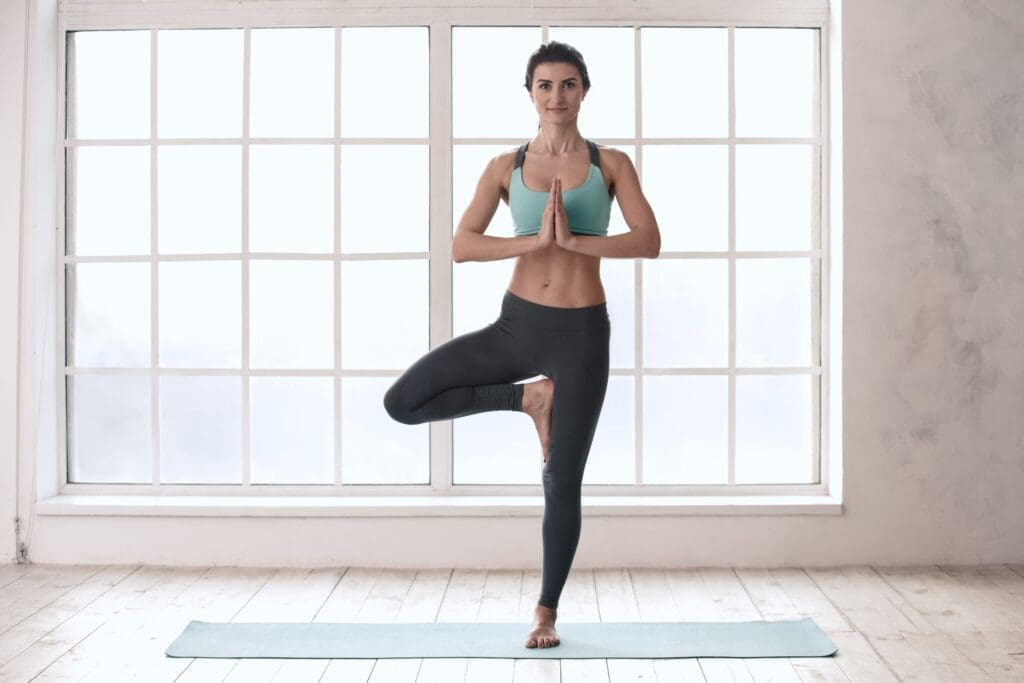
2. Vrikshasana (Tree Pose)
Vrikshasana helps improve balance and stability in the legs while fostering mental focus.
Benefits:
- Strengthens thighs, calves, and ankles
- Enhances concentration
- Builds self-confidence
How to do it:
Stand tall, shift your weight to one foot, and place the other foot against the inner thigh of the standing leg. Join palms in a prayer position overhead. Repeat on the other side.
Yoga instructors using yoga studio management software can track student progress in mastering balance-based poses like this over time.
3. Adho Mukha Svanasana (Downward-Facing Dog)
This classic pose energizes the entire body and is a staple in many yoga sequences.
Benefits:
- Stretches hamstrings, calves, and spine
- Strengthens arms and shoulders
- Relieves stress and mild depression
How to do it:
Start on hands and knees. Tuck toes, lift hips toward the ceiling to form an inverted V-shape. Keep hands shoulder-width apart and feet hip-width apart.
Perfect for warming up or cooling down, it offers a full-body stretch.
4. Bhujangasana (Cobra Pose)
This gentle backbend increases flexibility in the spine and opens up the chest.
Benefits:
- Strengthens spine and buttocks
- Stimulates abdominal organs
- Relieves stress and fatigue
How to do it:
Lie on your stomach, palms under shoulders. Inhale and lift your chest using your back muscles, keeping your elbows slightly bent.
In structured yoga programs, instructors can schedule targeted sequences including Cobra Pose through yoga studio management software for therapeutic backbending classes.
5. Trikonasana (Triangle Pose)
Trikonasana improves overall body alignment and encourages deep stretching.
Benefits:
- Stretches hips, groin, and spine
- Improves digestion
- Reduces anxiety
How to do it:
Stand with feet wide apart. Turn one foot out, extend arms sideways, and bend toward the extended foot, placing one hand on the shin and the other reaching skyward.
This asana stimulates both physical and mental awareness, making it ideal for beginners and experienced yogis alike.
6. Setu Bandhasana (Bridge Pose)
Bridge Pose is a gentle backbend that helps open the chest and strengthen the back.
Benefits:
- Stretches neck, chest, and spine
- Improves blood circulation
- Helps alleviate mild depression
How to do it:
Lie on your back, knees bent and feet flat on the floor. Press into your feet and lift hips off the ground, clasping hands beneath your back.
Studios can use yoga studio management software to assign this pose in restorative sessions or rehab-friendly yoga classes for spinal care.
7. Paschimottanasana (Seated Forward Bend)
This asana provides a deep stretch to the entire back of the body and calms the nervous system.
Benefits:
- Enhances spine flexibility
- Stimulates liver and kidneys
- Relieves stress and anxiety
How to do it:
Sit with legs extended forward. Inhale, raise arms, exhale and bend forward from the hips, reaching for your feet.
Great for ending yoga sequences, this asana promotes introspection and calm.

8. Balasana (Child’s Pose)
Balasana is a restorative posture that offers rest and comfort, especially after intense poses.
Benefits:
- Calms the brain
- Gently stretches hips and thighs
- Relieves tension and fatigue
How to do it:
Kneel on the mat, sit on your heels, and fold forward until your forehead touches the floor. Extend arms forward or place them beside your body.
This asana is often used as a resting point in both home and studio sessions.
9. Ardha Matsyendrasana (Half Spinal Twist)
This seated twist increases spine flexibility and massages internal organs.
Benefits:
- Stimulates liver and kidneys
- Improves digestion
- Increases spinal flexibility
How to do it:
Sit with legs extended. Bend one knee and place the foot outside the opposite thigh. Twist the torso toward the bent knee, placing the opposite elbow outside the knee.
Twisting poses like this are great additions to detox or digestive wellness yoga series.
10. Ustrasana (Camel Pose)
Camel Pose is a deep backbend that opens the front of the body.
Benefits:
- Stretches the entire front body
- Strengthens the back and shoulders
- Stimulates the respiratory system
How to do it:
Kneel upright with knees hip-width apart. Place hands on the lower back or heels and gently arch back, lifting the chest.
This pose is powerful for boosting energy and confidence when practiced correctly.
11. Uttanasana (Standing Forward Bend)
A forward bend that calms the mind and provides an excellent stretch for the back of the body.
Benefits:
- Stretches hamstrings and calves
- Reduces fatigue and anxiety
- Improves digestion
How to do it:
From standing, exhale and fold forward from the hips, reaching for the ground or your ankles.
Often included in warm-up sequences, it helps transition between more intense poses.
12. Shavasana (Corpse Pose)
Often considered the most important pose in yoga, Shavasana allows the body to integrate all the benefits of practice.
Benefits:
- Relieves stress and fatigue
- Calms the nervous system
- Improves sleep quality
How to do it:
Lie flat on your back, arms at your sides, palms facing up. Close your eyes and relax every part of your body.
Studios and instructors often use yoga studio management software to end each class with this asana, ensuring students get adequate time for restoration.
Why These 12 Asanas Matter
These 12 basic yoga asanas are more than just physical postures—they are building blocks for a lifelong practice. They promote harmony among body, mind, and breath, setting the stage for more complex techniques like pranayama and meditation. Beginners who master these asanas gain the confidence and physical awareness needed to explore advanced levels safely and mindfully.
Many studios today integrate these asanas into beginner packages, easily managed through modern yoga studio management software. This technology enables instructors to schedule sessions, offer modifications, and track student progress efficiently, creating a seamless experience for both teacher and practitioner.
Yoga is not just a form of exercise—it is a path to physical health, mental clarity, and emotional resilience. The 12 basic yoga asanas introduced here provide a comprehensive foundation for beginners to begin their journey with confidence. Whether practiced at home or in a studio, these postures lay the groundwork for a balanced life. With tools like yoga studio management software, both practitioners and instructors can streamline class scheduling, monitor progress, and ensure consistency in practice. As yoga continues to evolve in the digital age, these basic poses remain timeless, inviting everyone to reconnect with themselves through mindful movement and breath.